My Video Editing Desk Setup: Why I Finally Started Taking Ergonomics Seriously
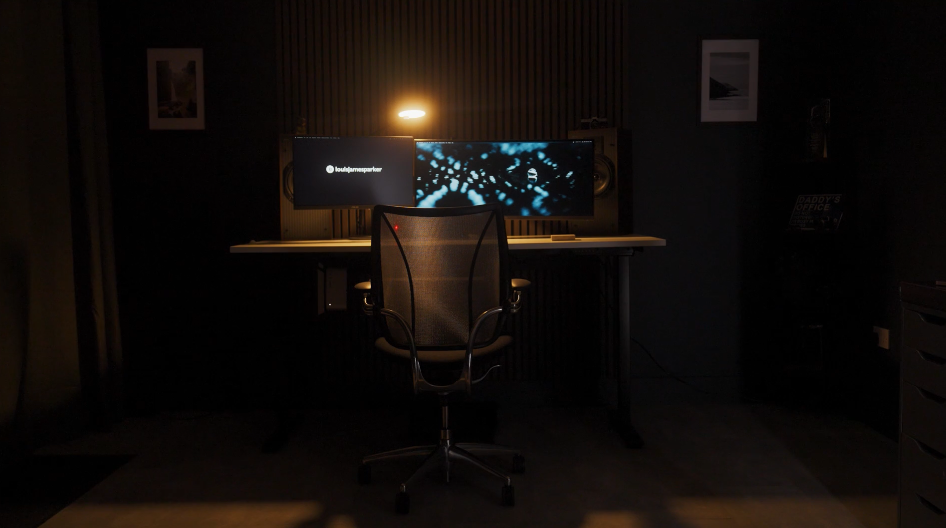
For a long time, I didn't really think my editing setup was a problem.It wasn't bad. It wasn't amazing. It was just okay. And for years, that felt good enough. The funny thing is, I've always been happy to invest in equipment that helps me when I'm out filming. Cameras, support rigs, backpacks, trainers, anything that makes long shoot days easier on my body. But when it came to the place where I spend hours editing videos, planning projects and replying to emails, I pretty much neglected it. The reality is I spend a huge amount of my working life sat at a desk. Some weeks I'll spend twelve hours on my feet filming, only to come back and spend the next day editing for eight hours straight. Eventually, I realised I should probably start paying as much attention to my editing setup as I do to my camera kit.
Discovering Ergonomics
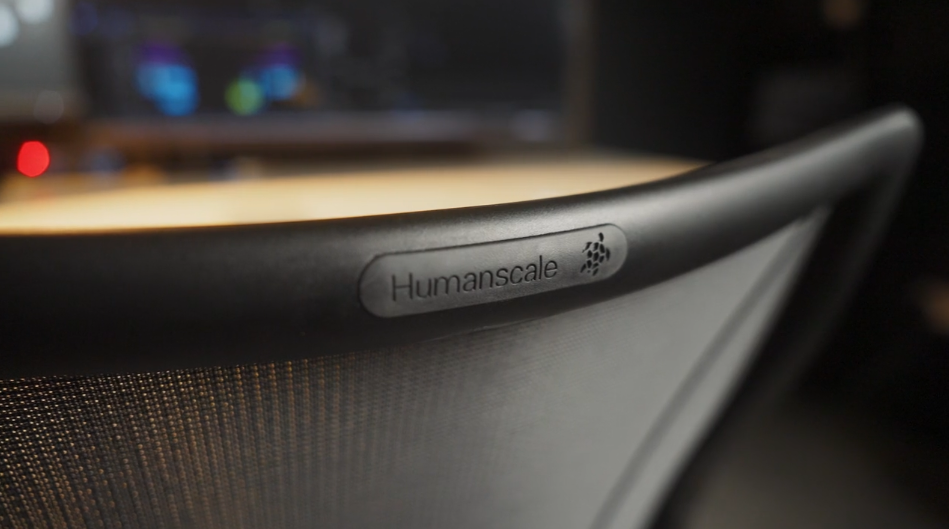
That's when I reached out to Humanscale. One of the first things I did was take their ergoIQ assessment. It's a surprisingly detailed assessment that asks questions about your desk setup, screen position, desk height and how you work throughout the day. At the end, it gives you a score and highlights areas where improvements could be made. What I liked was that it wasn't trying to overwhelm me with technical information. It simply highlighted a few areas where my setup wasn't really supporting the way I worked. It quickly became obvious that there were some relatively simple changes I could make.
My New Video Editing Desk Setup
I've now been using my new setup for the last three months. The first thing that stood out was how different it felt. It didn't really feel like sitting at a desk. It felt more like sitting in a driving position. The desk moves up and down. The monitors move in and out. Everything can be adjusted. Nothing feels fixed. Instead of forcing myself to adapt to the setup, the setup adapts to me. That might sound like a small thing, but when you're sitting at a desk for hours every day, it makes a big difference.
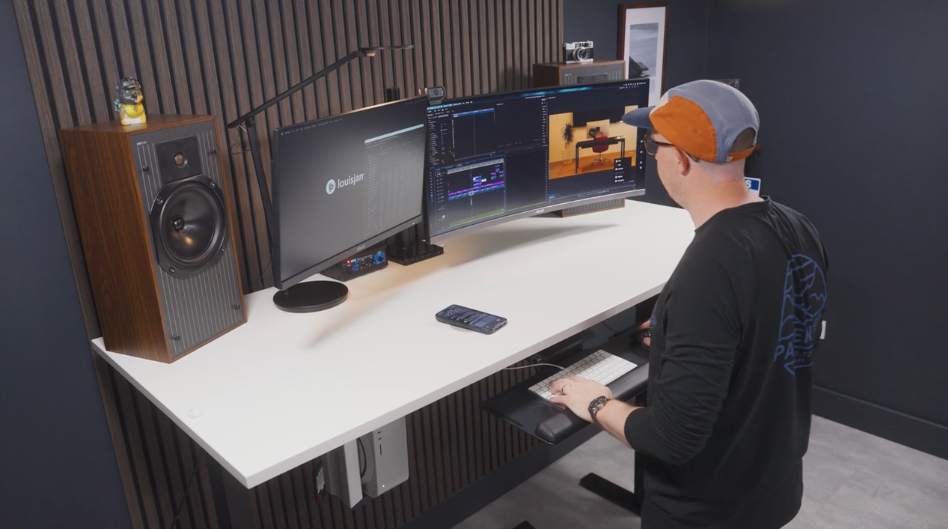
Humanscale Setup
What I Learned About Desk Ergonomics
Before this, I honestly didn't know much about ergonomics. Once I started looking into it properly, I realised there are some really basic things that most people simply aren't told.
For example:
Your legs should be roughly ninety degrees with your feet supported.
Your elbows should stay close to your body.
Your wrists should remain straight rather than bent.
Your shoulders shouldn't be lifting while you work.
Your screen should be roughly an arm's length away.
Your eye line should naturally land around the middle of the screen.
None of these things are particularly complicated. The challenge is that most of us never stop to think about them. We just sit down and get on with our work.
Small Changes Add Up
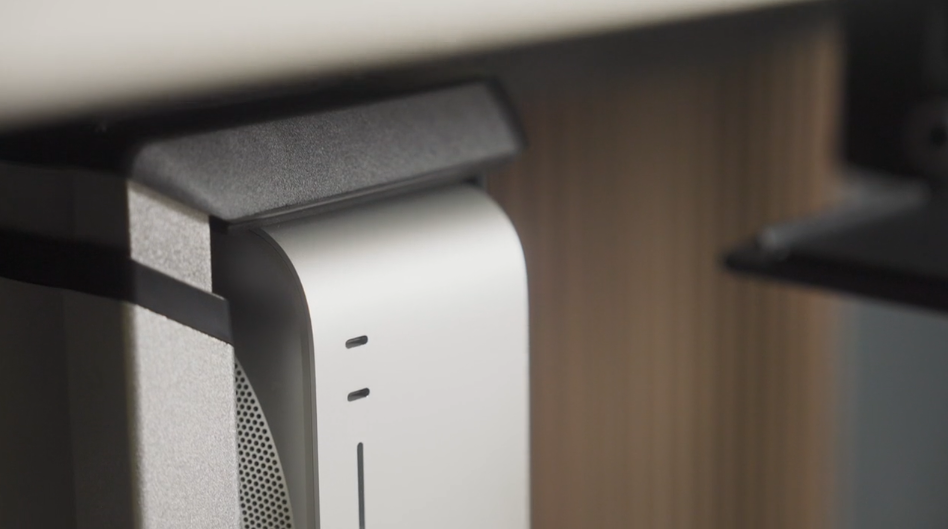
Individually, these adjustments don't seem like much. But when you're spending hours at a desk every day, they add up surprisingly quickly. One of the biggest changes for me was simply being able to adjust the height of the desk properly. It sounds obvious now, but my previous desk didn't really give me that flexibility. Being able to change position throughout the day has made me far more aware of how I'm working.
Why This Matters
For me, this isn't really about having a fancy desk.It's about longevity. As filmmakers, photographers and creatives, we spend a lot of time thinking about our equipment, our editing software and our workflows. We don't always spend enough time thinking about the thing that supports us while we're doing all of it. If you're spending a large chunk of your life behind a desk, it's worth taking the time to make sure your setup is working with you and not against you.
You don't need to overcomplicate it. Just get the basics right. Sometimes the biggest improvements come from the things you never realised needed improving in the first place.